
Here is my guide to the best craft glues, and a checklist of dos and don’ts. These tips come from my personal and professional experience as a lifelong crafter, artist, tinkerer, experimenter-at-large!
The best craft glues
I’ve had many glue fails and if I had only researched, that precious time could have been saved. So I made this guide for you fellow crafty chicas, I hope these tips bring you peace of mind, and best of all – the best results!
Why glue matters
If crafting had a secret sauce, it would be glue. The right adhesive can turn a project into a forever keepsake, and the wrong one can lead to peeling corners, warped paper, or heartbreak five minutes after you finish.
Let’s remove the mystery out of glue and help you match the right adhesive to the right project.
Benefits of using non-toxic glues and how to spot them
This is a biggie for me. I use non-toxic adhesives as much as possible. Non-toxic glues are formulated without harsh chemicals that can irritate your skin, eyes, or lungs. This is especially important if you craft often, work in small spaces, or notice headaches or dizziness from strong fumes.
Plus, they are essential when crafting with kids or craft nights because non-toxic glues generally are low-odor, and are easy to clean up. It’s just safer. Note: I do keep stronger glues on hand upon request, especially for large groups.
How to spot non-toxic glues: Look for “AP certified non-toxic” or “water-based” on the label. Another clue is if it says “safe for children or classroom.”
Crafty Chica’s Glue Guide
White glue (school glue)
Best for: Paper, cardboard, lightweight crafts and kid-friendly projects
White glue is easy to use, dries clear and gives you time to reposition pieces before it sets. It is a staple for classrooms and casual crafting, especially for paper-based projects.
I use Elmer’s White Craft Glue, it’s great for lightweight projects, and for coating paper before adding a sealer.
White craft glue does not work well on: Non-porous surfaces such as glass, metal or plastic. It is not strong enough for heavy or dimensional objects, outdoor projects or long-term keepsakes that require durability.
Crafty Chica tip: Great for paper mache and simple crafts, but not strong enough for heavy or long-term projects. I don’t use cheap white craft glue because it is usually super watery!
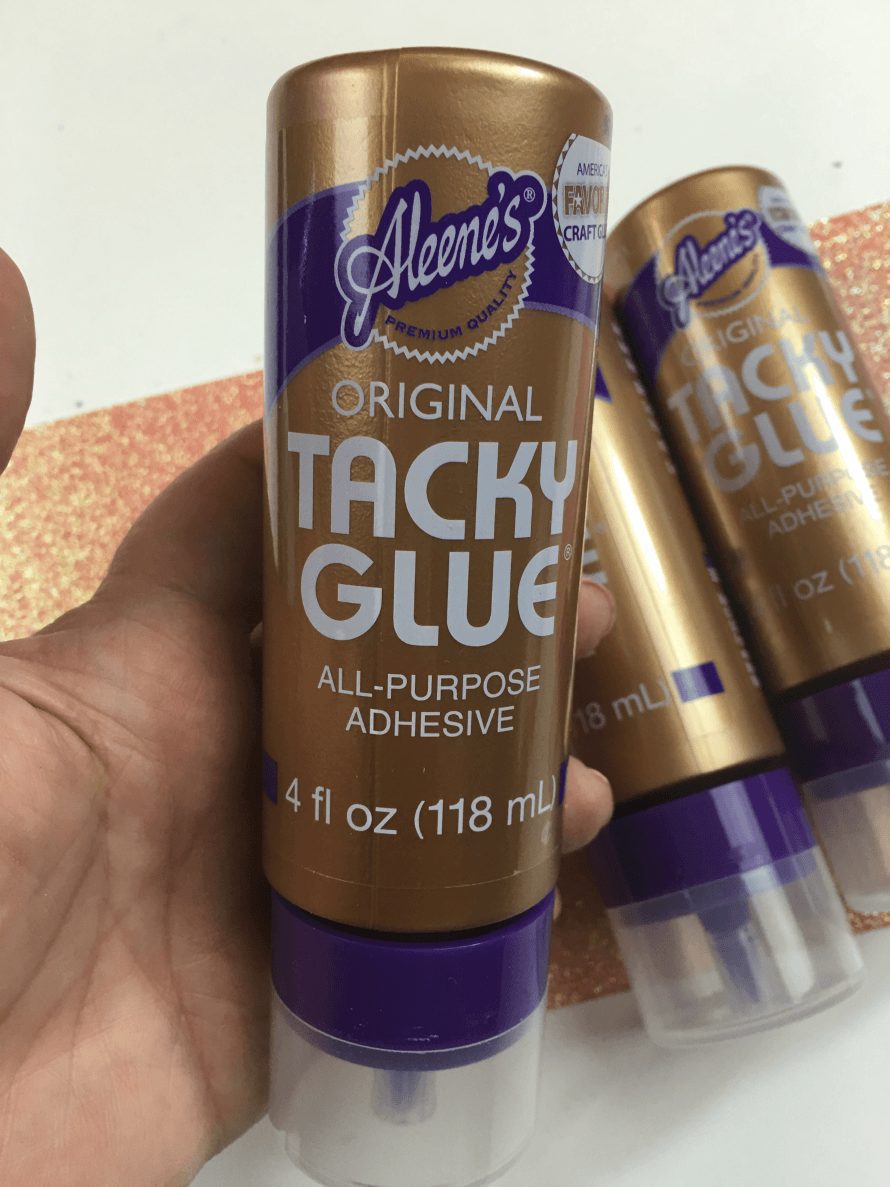
Tacky Glue – my fave!
Best for: Felt, fabric trims, wood and lightweight embellishments.
Tacky Glue is thicker than white glue and grabs more quickly. It provides a stronger hold while still being easy to control.
Tacky Glue does not work well on: Heavy objects, load-bearing projects or slick surfaces like metal, glass and plastic. It is also not suited for outdoor use (it is water-based!), moisture exposure or bonds that need structural strength.
Crafty Chica tip: Let the glue sit for a few seconds before pressing pieces together for a stronger bond. I buy mine at Dollar Tree because it is $1.25 a bottle!
Decoupage medium
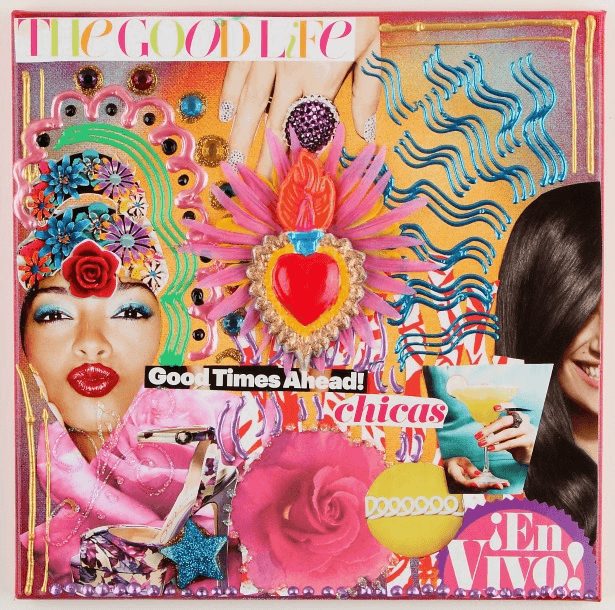
Best for: Paper, fabric and lightweight materials to surfaces such as wood, canvas, glass and furniture. It works by soaking into porous materials and drying clear, creating a smooth, sealed finish. Decoupage medium can be used both to glue items down and to seal over the top, making it ideal for decorative layering and surface design rather than structural bonding.
NOTE: Decoupage mediums come in different finishes, including matte, satin and gloss, and some formulas are designed specifically for outdoor use or fabric.
Decoupage medium does not work well on: heavy or load-bearing objects, flexible materials that bend or move, slick non-porous surfaces without prep, or projects that require a strong structural bond. It is also not ideal for high-moisture or high-heat environments unless specifically labeled for those conditions.
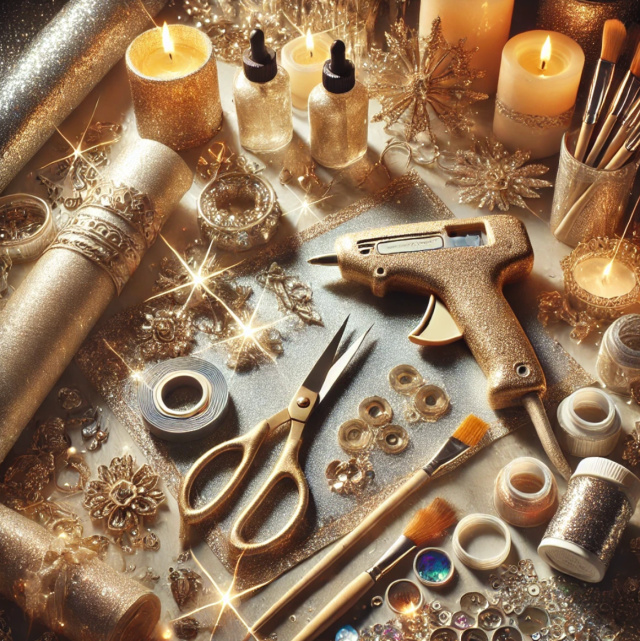
Hot glue
Best for: Fast assembly, dimensional crafts, florals, decor and embellishments.
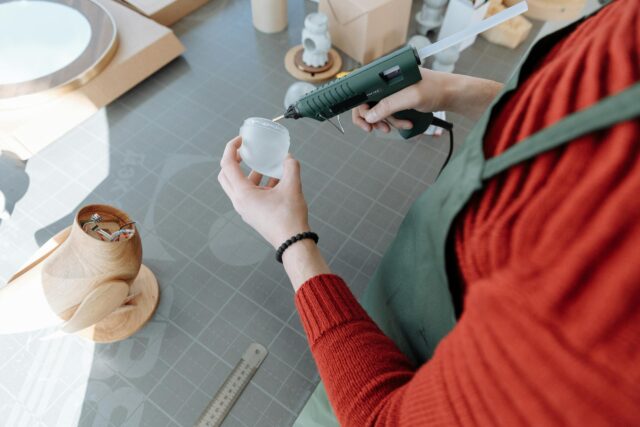
Hot glue sets quickly and creates an instant hold, making it ideal for projects that need structure or speed.
Crafty Chica tip: Use low-temperature glue guns for paper and delicate materials, and high-temperature guns for heavier items like wood. Make sure to pick up some silicone finger caps so you don’t burn yourself.
Hot glue does not work well on: Very smooth or non-porous surfaces such as glass and metal, where the bond can pop off easily. It also fails in high heat, on flexible items that move often, and on projects meant to last long term or live outdoors. High temp does not work on Styrofoam (it melts it!), but low-temp des.
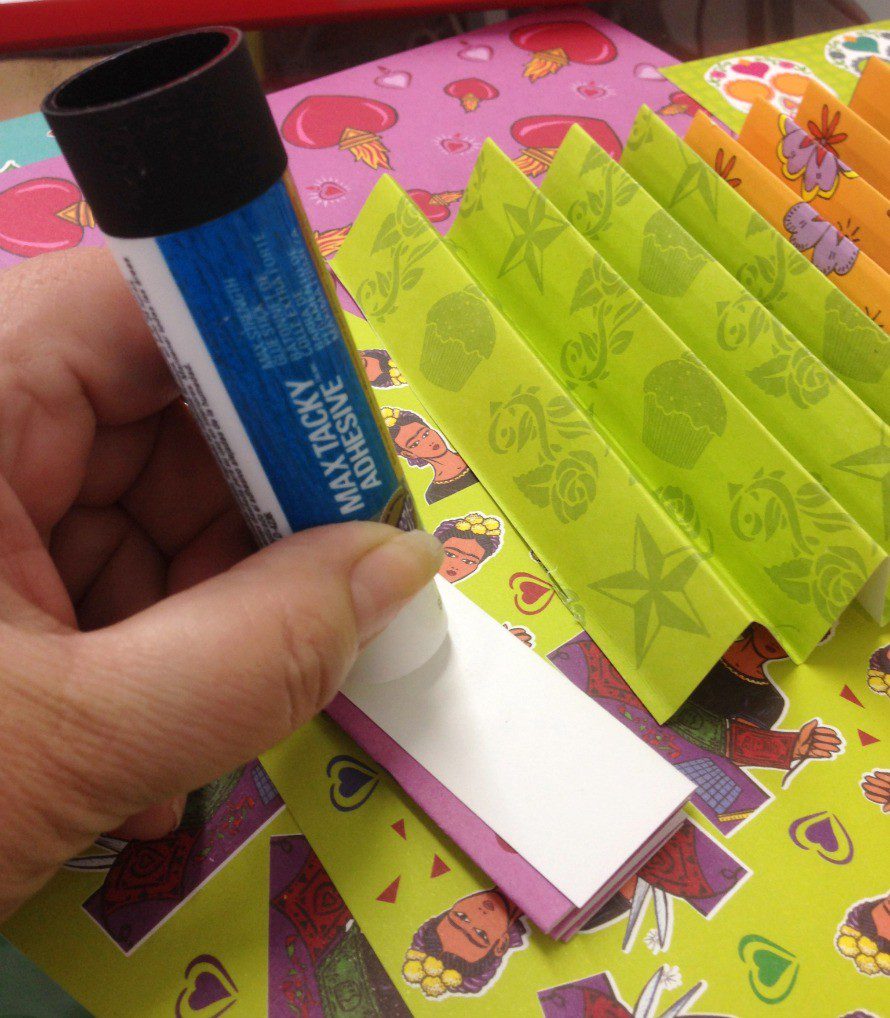
Glue sticks
Best for: Paper crafting, journaling, collage and kids’ projects. I use Elmer’s or amazon in purple – it dries clear.
Glue sticks are clean, quick and mess-free. They are perfect for lightweight paper projects and situations where drying time matters.
Glue sticks do not work well on: textured, glossy or non-porous surfaces where the adhesive cannot grip. They are also not suitable for layered projects, heavy items or crafts meant to last long term, and the bond can loosen over time with humidity or frequent handling.
Crafty Chica tip: Glue sticks are not ideal for long-term keepsakes or layered projects that need extra strength.
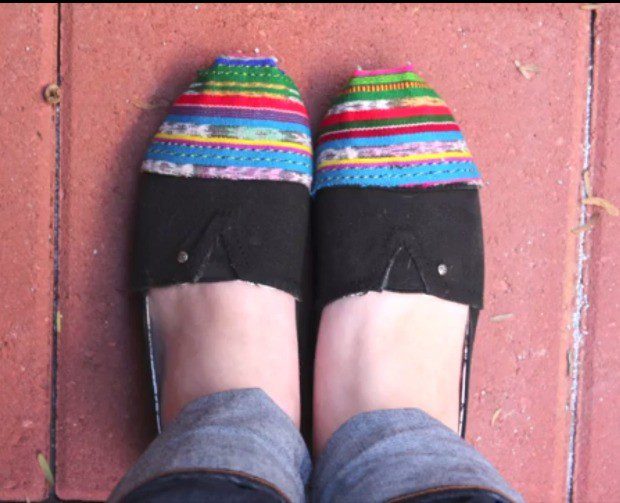
Fabric glue
Best for: No-sew projects, hems and fabric embellishments.
Fabric glue is designed to stay flexible after drying and can handle gentle washing when fully cured.
Fabric glue does not work well on: non-porous surfaces such as metal, glass or plastic. It is also not ideal for heavy structural bonds or projects under constant stress, and overuse can stiffen delicate fabrics.
Crafty Chica tip: Always test on scrap fabric first and allow the glue to cure completely before wearing or washing.
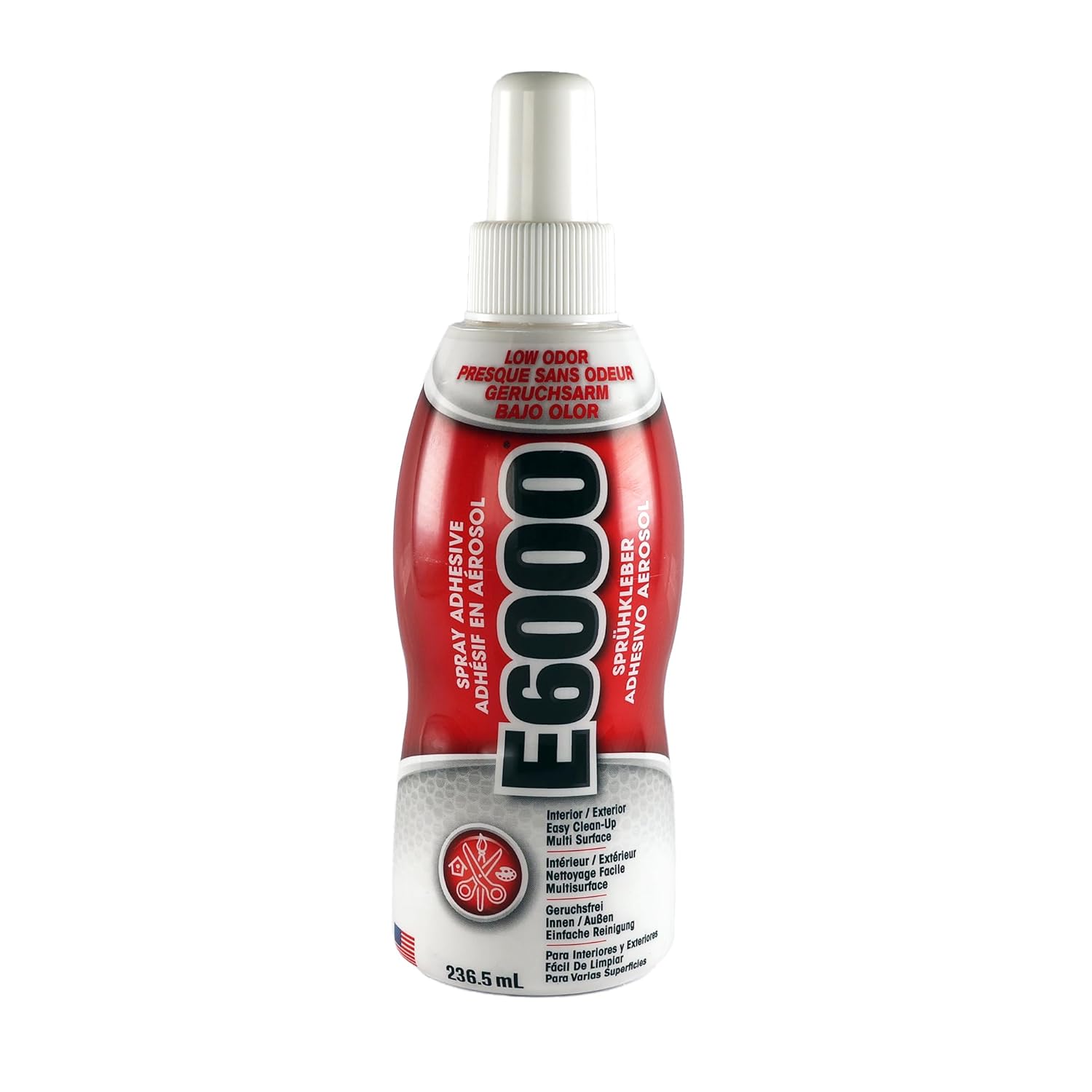
Spray adhesive
Best for: Stencils, templates and temporary placement.
Spray adhesive provides even coverage without soaking or warping paper. It is often used for positioning materials before stitching or printing.
Spray adhesive does not work well on: projects that need a permanent hold or support weight. It performs poorly on heavy or textured materials and on items exposed to heat or moisture, and overspray makes it unsuitable for precision applications.
Crafty Chica tip: Use in a well-ventilated area and protect surrounding surfaces from overspray. Wear a mask, and spray inside a box!
Extra-strength adhesive
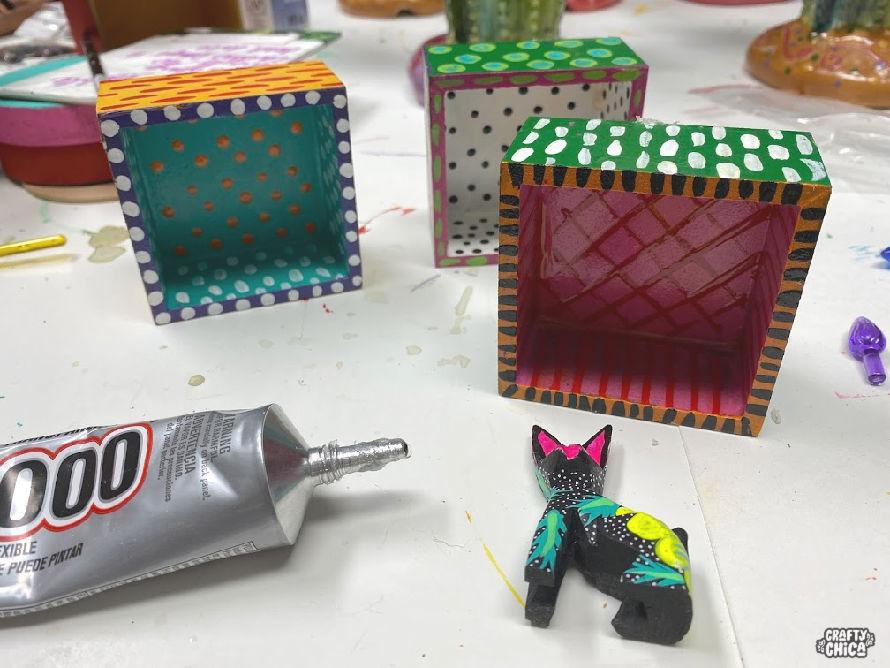
Best for: Heavy objects, non-porous surfaces, ceramic or glass repairs, projects that will be exposed to weather elements.
These types of adhesives, like e6000, form stronger chemical bonds, cure harder and resist moisture, heat and movement. They are designed to create long-lasting holds where regular craft glue would fail, making them ideal for durable, high-impact projects.
Does not work well on: Projects made in enclosed or poorly ventilated spaces and is not suited for fast crafts that require immediate bonding. It can also be problematic on very porous materials that absorb the adhesive and is not recommended for kid-friendly or classroom projects. Does not work on Styrofoam.
Crafty Chica tip: Wear a mask, work in a well-ventilated area.
Super glue
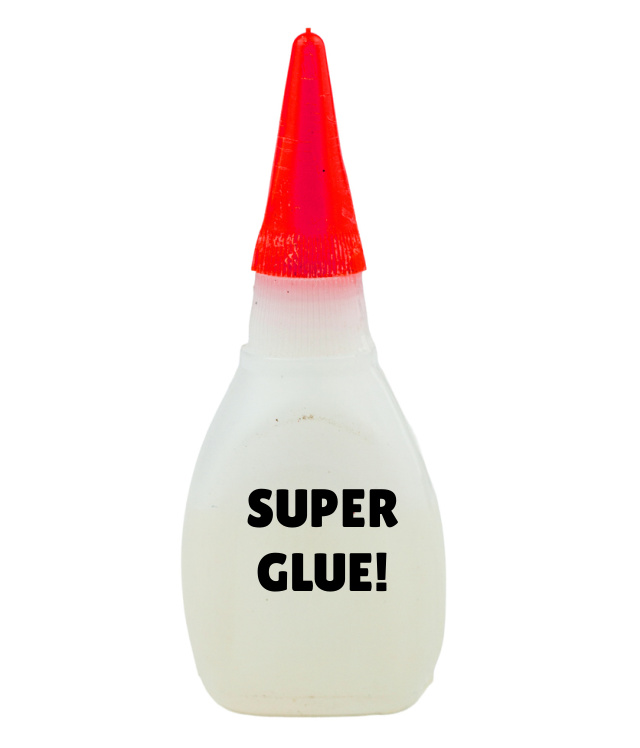
Best for: Metal, ceramics, jewelry repairs and small precision bonds.
Super glue forms a fast, permanent bond and works well for small repairs that need strength. I use Loctite.
Super glue does not work well on: Flexible materials that bend or move, as the bond cures rigid and can crack. It is also not ideal for porous materials that absorb the adhesive, large surface areas where even coverage is difficult, or projects that require repositioning time before setting.
Crafty Chica tip: Precision-tip bottles help control application and reduce mess.
Two-part epoxy
Best for: Heavy-duty repairs, glass, ceramics and outdoor projects.
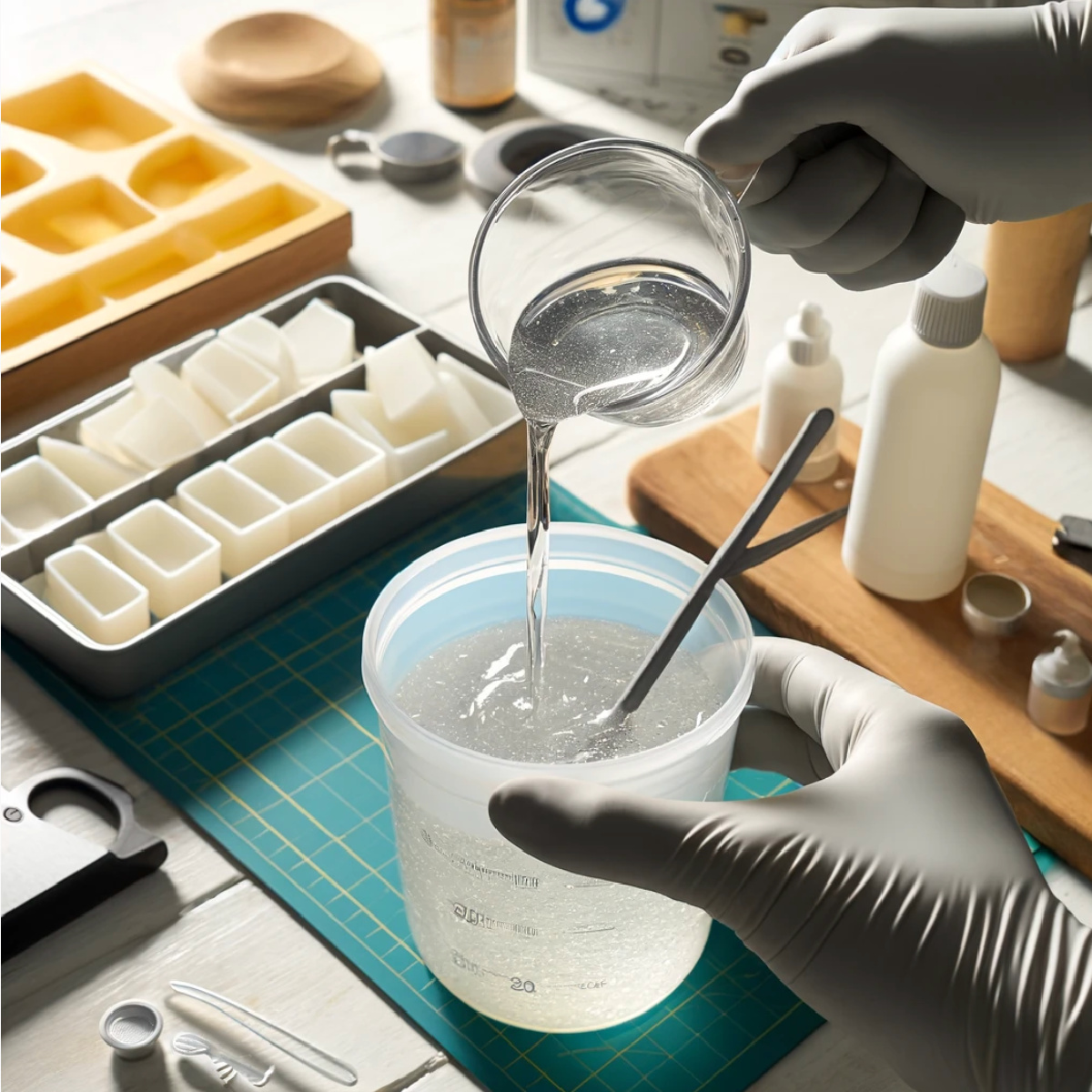
Epoxy is a two-part adhesive that creates an extremely strong bond once mixed and cured.
Epoxy does not work on: Flexible materials that bend or move, or on projects where pieces need to be repositioned after application. It is also not ideal for lightweight paper crafts or quick projects due to its mixing process and cure time.
Crafty Chica tip: Mix carefully and work quickly. Allow full cure time for maximum durability. Wear a mask and make sure you work where there is good ventilation.
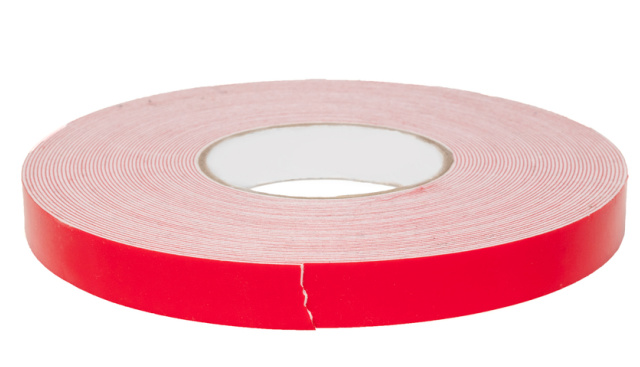
Double-side super sticky tape.
A heavy-duty adhesive tape designed to create a strong, permanent bond between two surfaces without visible glue. It works especially well for paper layering, mounting photos, attaching embellishments and securing lightweight decor. What makes it extra strength is its aggressive adhesive and reinforced backing, which resist lifting, shifting and temperature changes better than standard double-sided tape.
NOTE: There are all kinds of others, like a tape runner, foam tape, etc. I’ll do another post on those!
Double-sided tape does not work well on: Heavy or dimensional objects, textured or dusty surfaces, or projects exposed to heat and humidity. It is also not reliable for long-term or outdoor use.
Choosing the right glue
Paper and journaling projects work best with white glue or glue sticks. Mixed media projects benefit from tacky glue. Decor and dimensional crafts often call for hot glue. Fabric projects need fabric glue, while jewelry and repairs may require super glue or epoxy. Spray adhesive is ideal for temporary layouts and stencils.
More Crafty Chica glue tips
Double up applications – I’ll use e6000, and then to keep the items in place as it dries, I’ll use a bit of hot glue. That way the items stay put. You can also use low-tack painter’s tape.
Non-traditional glues
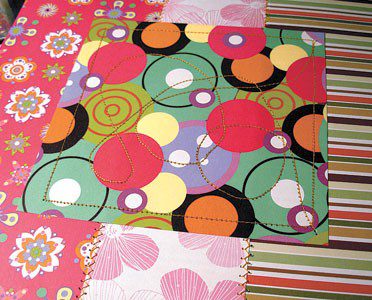
Screws, nails, wire, sewing! I have a friend who does her best NOT to use glue, except for paper crafting. She is on to something because I’ve actually had embarrassing glue fails before. So if you are able to use old fashioned screws, threads, or nails, go for it!
Starch and flour paste. Traditional bookbinders and muralists use wheat paste and rice paste as natural adhesives. These are simple, inexpensive and archival when made correctly. Best for: Paper, bookbinding, paper mache, collage. The starch penetrates paper fibers and dries into a firm, flexible bond.
Resin. This is like two-part epoxy, but more on the crafting side. You can also try UV resin, but remember it only cures where the UV light hits. So you would have to bond from the outside.
Glitter glue. A decorative adhesive that combines craft glue with fine glitter, allowing you to add sparkle and texture while bonding lightweight materials. It is best used for paper crafts, posters, cards, journaling, kids’ projects and accents where visual impact matters more than strength.
I love all of the above because it show glue does not always come in a bottle. Many non-traditional binders rely on physical structure, natural chemistry or mechanical connection, which can be more flexible, expressive and present a cool aesthetic!
Did I miss one? Let me know!
RELATED:
Melt, stick, slay: Your ultimate glue gun guide
Types of varnish for acrylic paint – my faves!